
RYZA Exotics
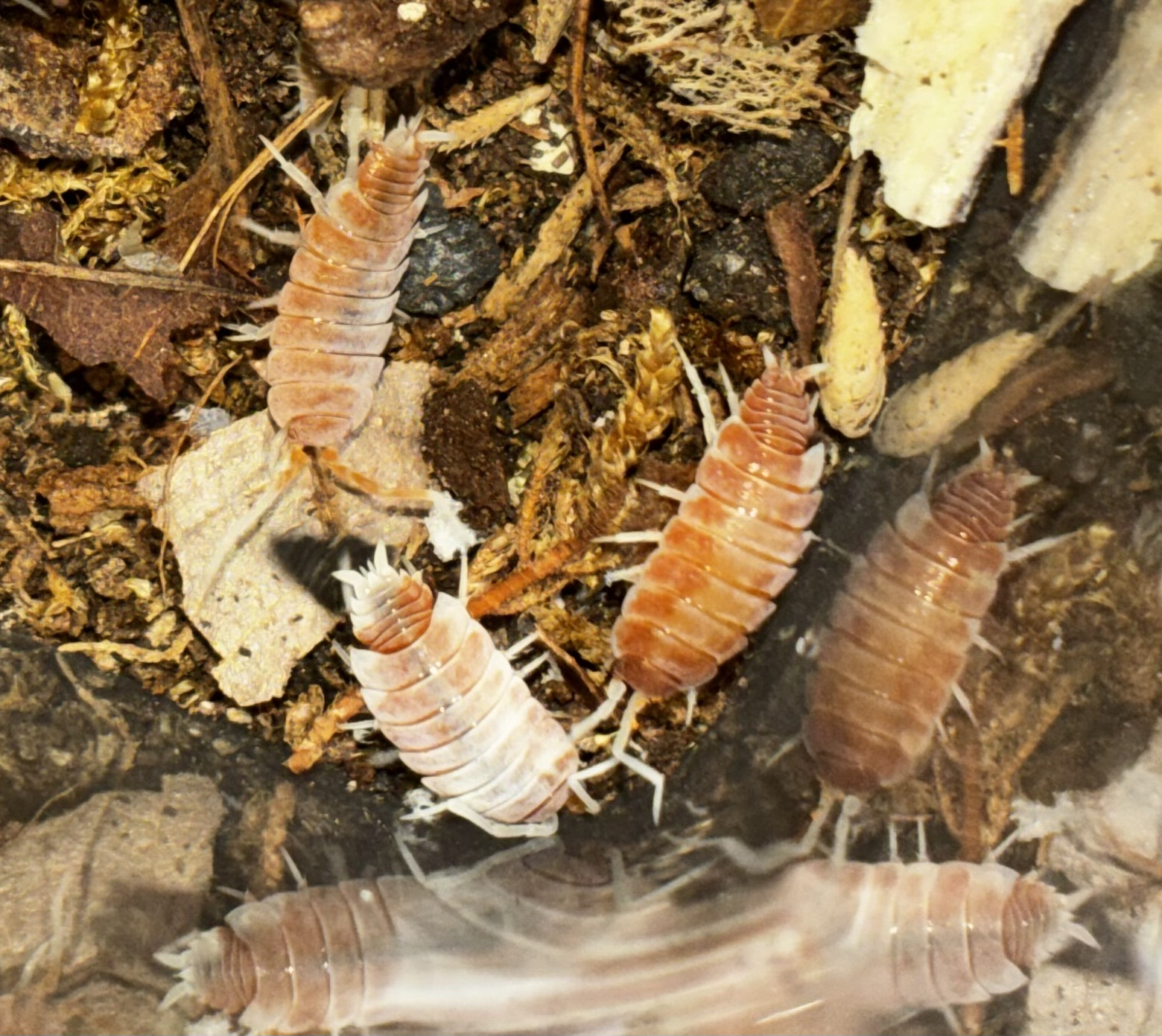
Isopods for Bioactive Terrariums
Build a living enclosure with captive-bred cultures chosen for real habitat needs, plus the care guidance and supplies that help them settle in.
Shop Available Isopods
A better starting point
Choose for the habitat, not just the color.
Isopods are a useful part of many bioactive terrariums, but they are still a living colony with their own needs. The right culture depends on the enclosure you have built: how warm it stays, how much airflow it gets, whether it has a durable moist retreat, and how much of the habitat can remain dry.
RYZA offers captive-bred cultures alongside species care guidance, springtails, substrate, calcium, and cover. That gives you a practical path from a bare enclosure to a stable one. Start with a culture that suits the conditions, then let the habitat do the steady work.
What a bioactive isopod culture needs
A real moisture gradient
Most isopods do better when the enclosure offers a choice rather than one uniform condition. Keep one area consistently moist beneath cover and leave another area drier with leaf litter and airflow. The damp retreat gives the colony a dependable place to hydrate and molt. The drier area helps prevent the entire enclosure from becoming stagnant. The exact balance changes by species, which is why the culture should come after the habitat plan, not before it.
Do not treat a bioactive enclosure like a sealed wet box. A misting schedule cannot replace observation. Check the substrate below the surface, notice whether water is migrating into the dry side, and make small changes when conditions drift. Stable, breathable substrate is more valuable than frequent interventions.
Leaf litter, cover, and calcium
Leaf litter is both food and shelter. Keep it available across the enclosure so the colony can graze and hide without being exposed. Cork bark and natural cover create darker, safer microhabitats where isopods can settle in. A dry, easy-to-find calcium source supports normal molts and gives the culture another reliable resource inside the habitat.
These basics also make the terrarium easier to manage. Instead of relying on a single dish of food, the enclosure holds a more natural foundation for the culture. Supplemental foods can stay small and deliberate, which reduces the chance of leftovers turning sour in a humid environment.
Conditions that match the species
There is no single bioactive isopod that fits every terrarium. Many active Porcellio and Porcellionides cultures are often comfortable with a clearer dry side and good ventilation. Humid-loving cultures may need a more consistently moist retreat, but they still benefit from fresh air and clean cover. Temperature also matters. A room-temperature culture should not be placed beside a powerful heat source just because the terrarium is warm for another animal.
Use the species guide before checkout, especially when the enclosure houses reptiles, amphibians, or invertebrates with their own environmental requirements. The goal is not to force a cleanup crew into an unsuitable environment. It is to choose a culture that can thrive in the conditions you are already maintaining.
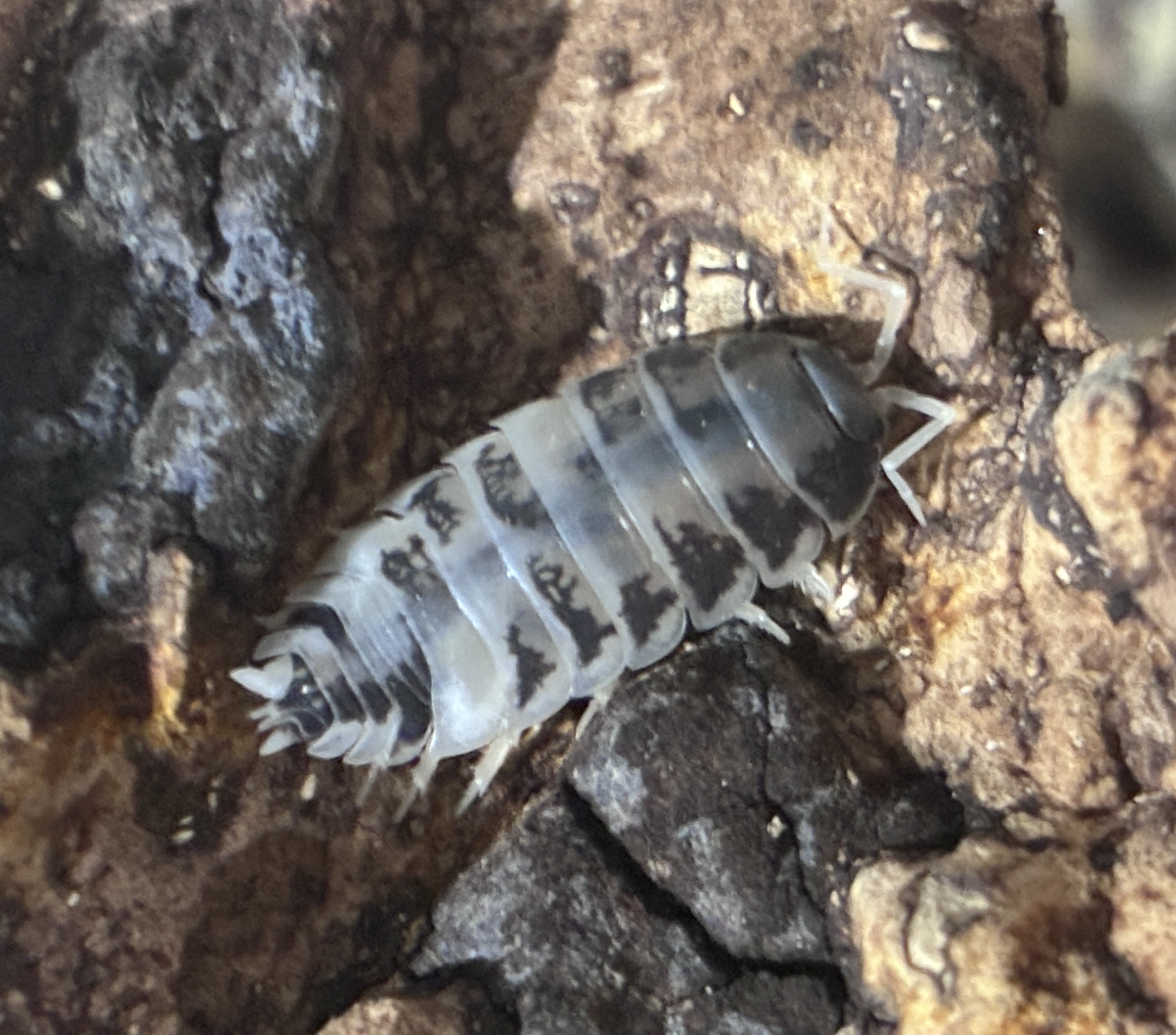
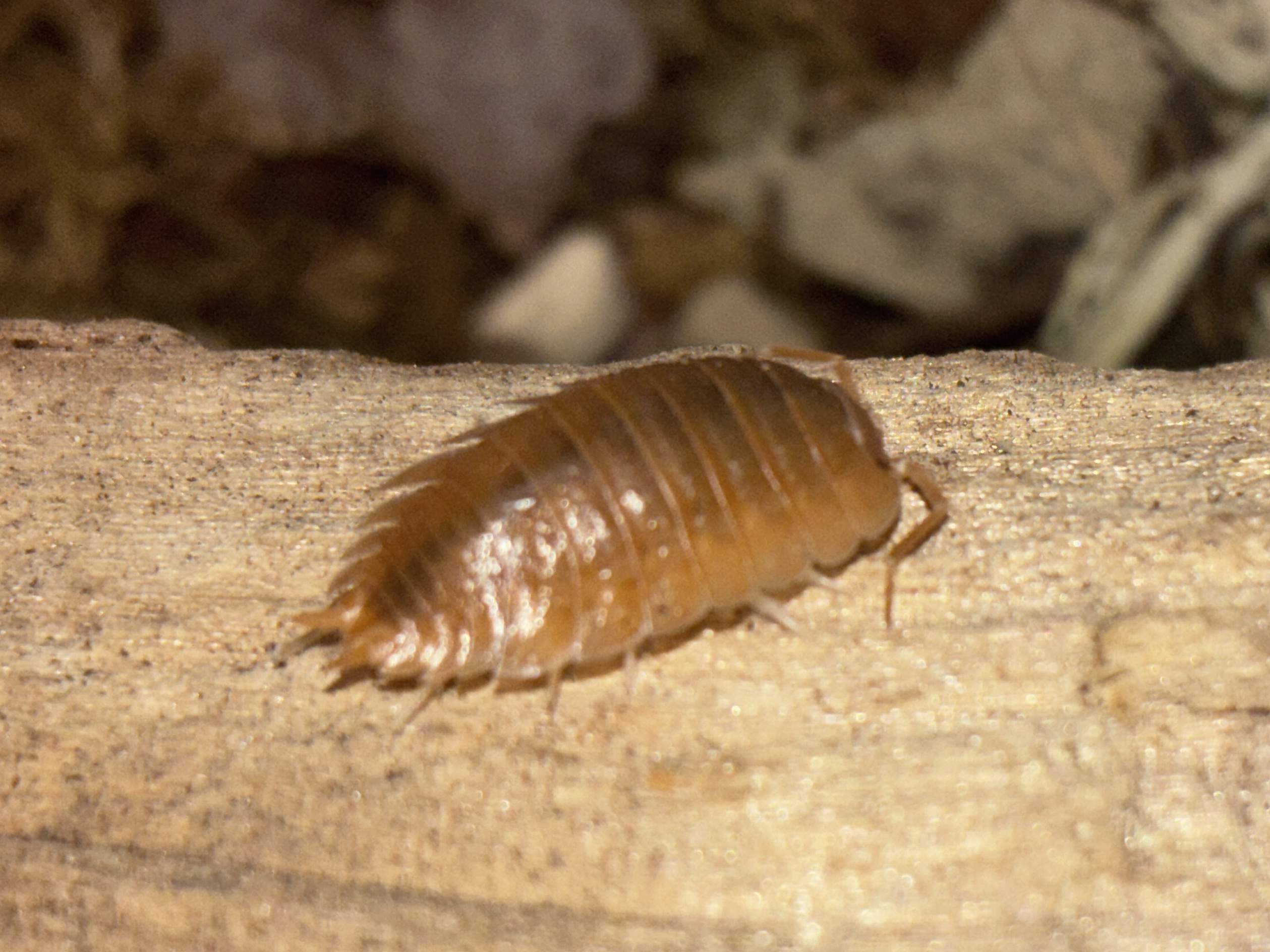
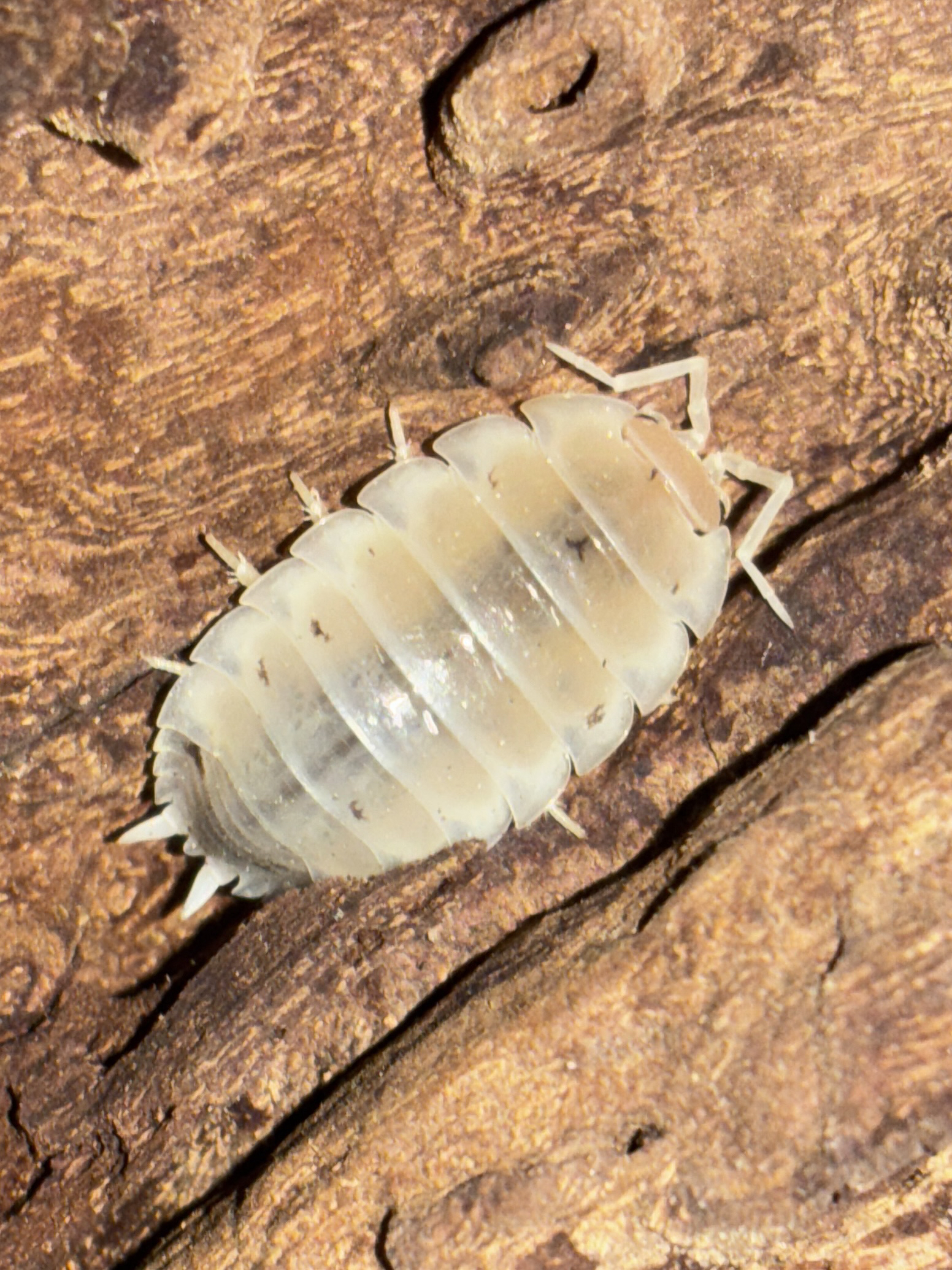
Available cultures for your setup
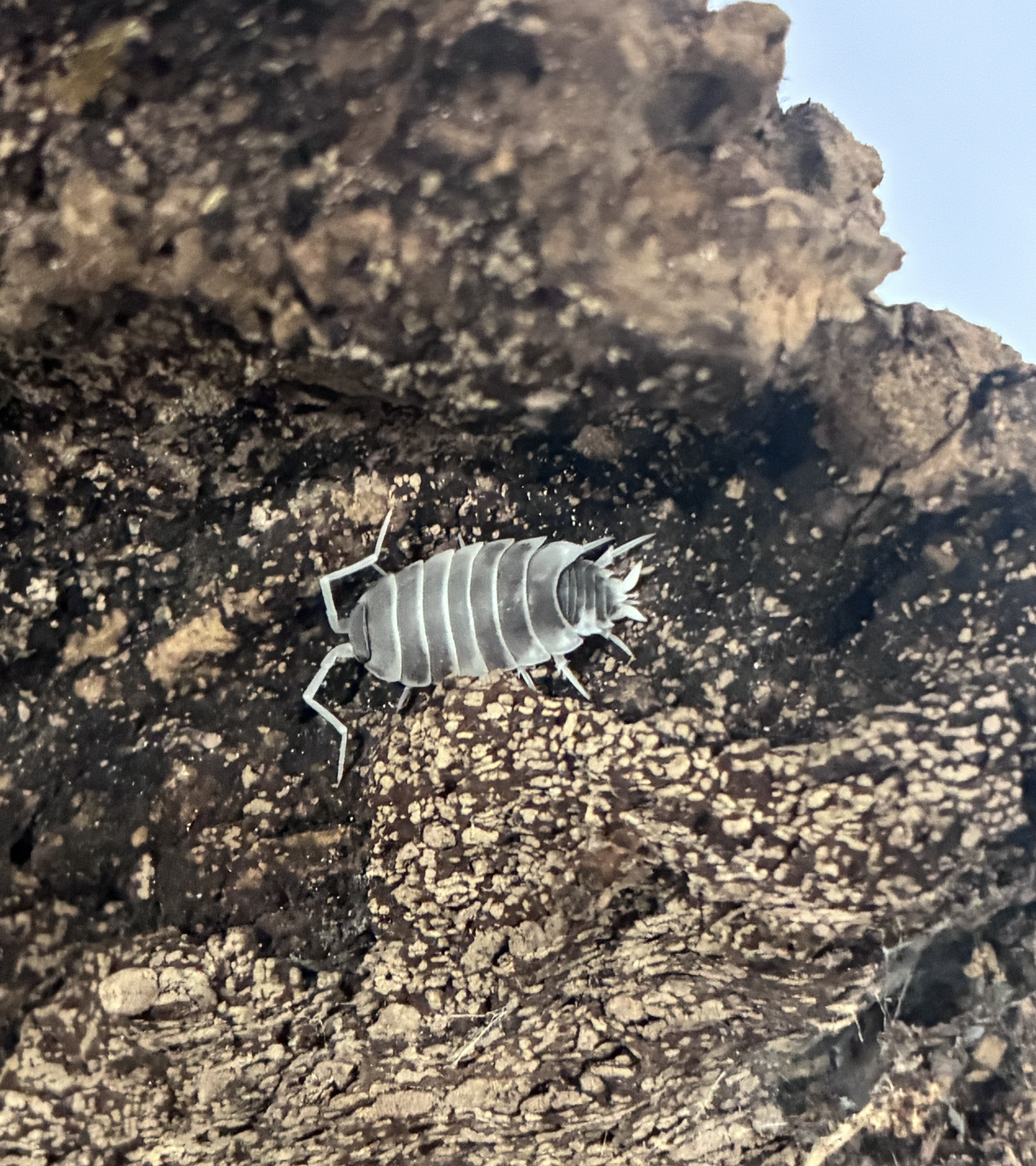
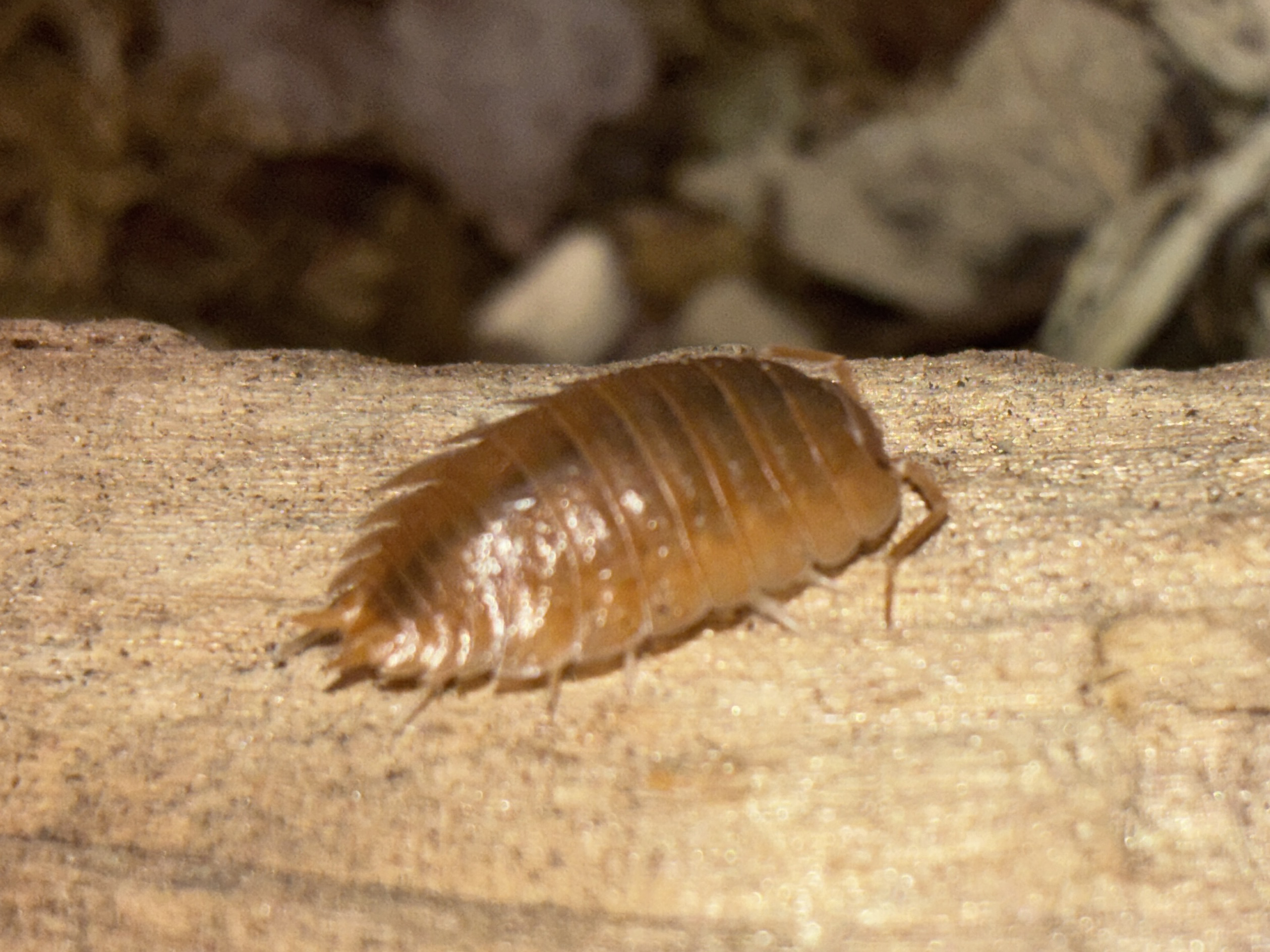
View all isopods →These currently available cultures are a good place to start when you are matching a colony to the conditions in a new or established bioactive terrarium.
Build the full foundation
Give the colony more than a place to land.
New cultures settle more easily when the enclosure is ready before they arrive. Use a moisture-holding substrate, a deep layer of leaf litter, cover on both sides of the gradient, and a calcium source. RYZA’s RYZACoco, RYZACork, and RYZACal are practical additions when they fit your enclosure plan.
A feeding dish can also help keep small supplemental foods and calcium off damp substrate. It is a simple detail, but it makes it easier to see what the culture is actually using and to remove anything that is not.
Shop habitat supplies →
Pairing isopods with springtails
Shop springtails →Isopods and springtails can make a useful pairing in the right terrarium because they occupy different parts of the habitat. Isopods are larger, visible detritivores that need leaf litter, food, cover, and a moisture gradient. Springtails are much smaller and are especially useful around moist substrate, decaying plant matter, and the tiny fungal growth that develops in a living enclosure.
That does not make either culture a substitute for maintenance. Remove excess food, watch for a sour smell, and keep the enclosure suited to the primary animal as well as the cleanup crew. For a humid bioactive setup, RYZA’s Springtail Care Guide explains the basic housing, feeding, and harvesting routine before you add a culture.
Before you add a culture
- Set the moisture gradient: Prepare a defined moist retreat and a drier area before the culture arrives.
- Add the foundation: Use appropriate substrate, leaf litter, hiding cover, and a dependable calcium source.
- Confirm the conditions: Check the culture’s care guide against the temperature, humidity, and ventilation of the finished terrarium.
- Feed lightly: Start with leaf litter available at all times, then offer modest supplemental food and remove leftovers.
- Let the colony settle: Give a new culture quiet cover and avoid frequent digging or dramatic habitat changes.
Once the basics are in place, a bioactive terrarium becomes much easier to read. The colony will use the moisture, cover, and food you provide. Your job is to keep those conditions consistent, notice changes early, and make adjustments one at a time.
Frequently Asked Questions
Which isopods are best for a bioactive terrarium?
The best fit depends on the enclosure’s humidity, ventilation, temperature, and the animal living in it. Start with a hardy captive-bred culture whose care needs match the habitat, then give it a distinct moist retreat, a drier area, leaf litter, cover, and calcium.
Do bioactive terrariums need both isopods and springtails?
They can work together, but they do different jobs. Isopods are visible detritivores that need leaf litter, cover, food, and a suitable moisture gradient. Springtails are small decomposers that are especially useful in humid setups. Neither replaces regular habitat care.
Can I add isopods to an established terrarium?
Yes, once the enclosure has suitable substrate, leaf litter, hiding cover, a stable moisture gradient, and conditions appropriate for the species. Avoid adding a culture to a new enclosure that has not settled or to a habitat that cannot meet its humidity and ventilation needs.
How many isopods should I start with?
A starter culture needs time and stable conditions to establish. The right starting size depends on the species and the enclosure, so prepare the habitat first and follow the guidance for the particular culture you choose.
Start with a culture that fits.
Browse available captive-bred isopods, then use RYZA’s care guides to build the right home before they arrive.
Shop Available Isopods